Garage door rollers and tracks guide the door every time it opens and closes. When they are in solid condition, the door moves smoothly, stays aligned, and closes consistently. When rollers or tracks start to wear, the door often becomes louder, rougher, and less predictable. Many homeowners first notice a squeal, a shake, or a scrape, and then the problem grows from there, which is when garage door roller repair may be needed to restore smooth travel.
Roller and track issues can develop slowly through everyday use, but they can also escalate quickly once the door starts dragging or binding. That is because the system repeats the same motion many times, and small resistance can lead to fast wear. This article explains the most common causes of roller and track failure, how to recognize early warning signs, and when it is time to bring in a professional for inspection and repair. We will keep it clear, safety-focused, and free of DIY steps.
The Most Urgent Signs of Roller or Track Failure
Some roller and track problems signal immediate safety concerns. If you notice these signs, it is safer to stop using the door and schedule service.
Grinding or scraping sounds during travel
Grinding is often a sign that the rollers are not gliding smoothly or the door is rubbing in the tracks. Continued use can increase wear quickly and can lead to binding.
The door shakes, wobbles, or looks unstable in the opening
A door that wobbles is often dealing with roller wear or track alignment changes. The system may still move, but the instability can worsen and cause the door to drift or bind.
Rubbing marks along the track or door edge
If you see fresh marks or feel rubbing, the door may not be tracking straight. This can be a sign that track alignment has shifted or that rollers are worn.
The door binds or stops at the same spot
Repeated stopping in one area often signals a resistance point. That can be caused by track damage, loose hardware, roller wear, or a door that is no longer balanced.
The opener strains, hesitates, or reverses more often
The opener may be reacting to resistance created by rough roller travel or track misalignment. If the opener behavior changed alongside new noise or vibration, rollers and tracks should be inspected.
These symptoms are common reasons homeowners schedule garage door roller repair or garage door track repair. The safest choice is to avoid forcing the door and have a professional inspect the system.
These symptoms are common reasons homeowners schedule garage door roller or track repair, and the safest choice is to stop using the door and have a professional inspect it, read When Should You Call a Professional for Garage Door Repair?
How Rollers and Tracks Work Together
Rollers and tracks are a team. The track creates the guided path for the door, and the rollers allow the door to glide along that path with low resistance. When both parts are aligned and in stable condition, the door moves smoothly and stays centered.
Problems usually start when one of these conditions changes:
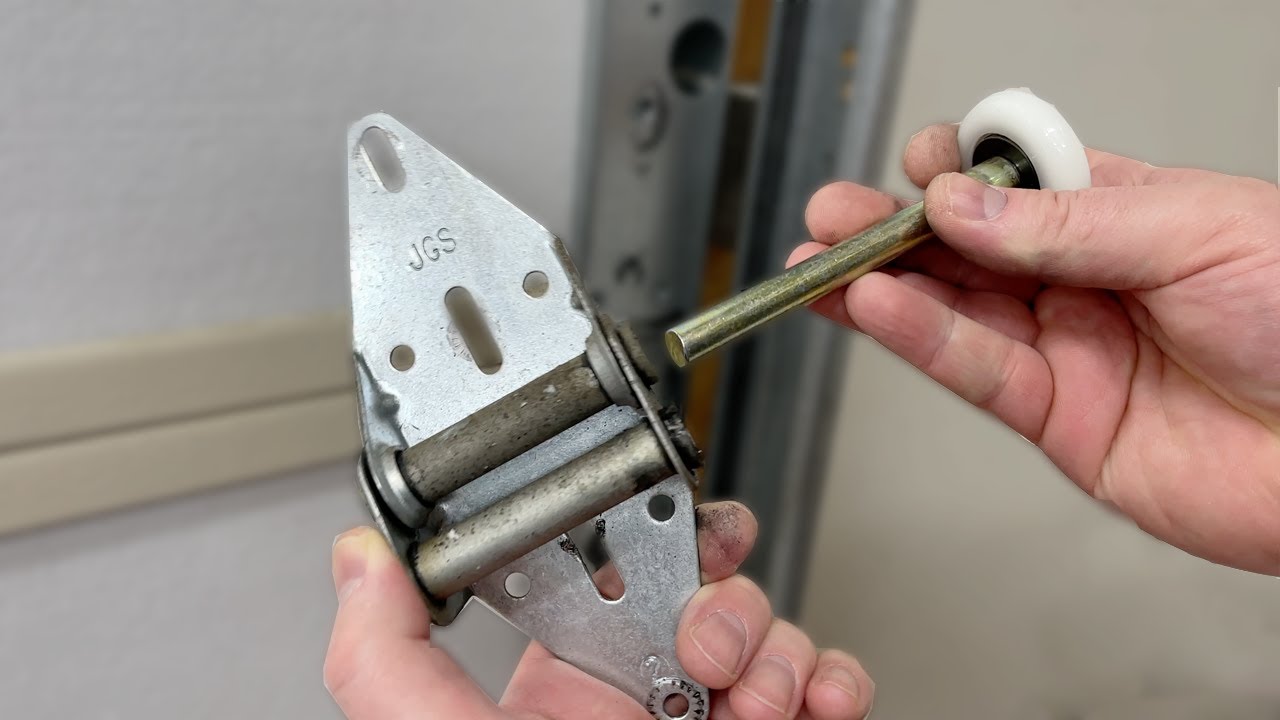
- Roller bearings wear down and create drag
- Track alignment shifts and creates rubbing
- Hardware loosens and allows movement
- The door becomes unbalanced and adds unusual force to the tracks
When resistance increases, it often shows up as noise first. Then it shows up as a vibration. After that, you may notice the door pulling toward one side or stopping during travel. Because the door cycles so often, small resistance can turn into bigger wear in a short period of time.
The Most Common Causes of Roller Failure
Rollers are designed to glide smoothly, but they wear out over time. Here are the most common causes of roller failure and what homeowners typically notice.
Normal Wear From Daily Use
Every open and closed cycle adds wear. Over time, rollers can become rough, noisy, or less stable. Homeowners often notice:
- Squealing or high-pitched sounds
- Increased vibration during travel
- Jerky movement near the start or end of travel
Worn Bearings That Create Drag
Rollers often fail when bearings wear down. When bearings become rough, the roller does not spin smoothly. That drag increases resistance and can make the door feel slower and louder.
Corrosion Or Environmental Wear
Moisture, salt air, and garage humidity can affect roller surfaces and bearings. Corrosion can increase friction and lead to loud, rough travel.
Vibration And Door Imbalance
If the door is unbalanced, the rollers can carry an uneven load and wear faster. A door that shakes or wobbles can accelerate roller wear and increase stress on tracks and hardware.
Track Alignment Issues That Force Rollers To Fight The Path
When tracks are misaligned, rollers may rub, bind, or ride the edge of the track. That can damage roller surfaces and create early failure.
If you are noticing noise, vibration, or rough travel that is getting worse, garage door roller repair may be needed, but the safest repair plan should confirm whether alignment or door balance is also part of the cause.
The Most Common Causes of Track Failure
Tracks are designed to stay aligned and stable. When tracks shift or wear, the door can lose smooth travel and become unpredictable. Here are the most common track failure causes.
Alignment Shifts Over Time
Tracks can shift slowly as hardware loosens and the door cycles. Even a small alignment change can create rubbing and binding, especially near the top or bottom of travel.
Loose Hardware And Bracket Movement
If the brackets loosen, the track may move slightly during operation. That movement can cause vibration, noise, and repeated resistance points.
Impact Damage
Tracks can be damaged by accidental bumps from vehicles, bikes, or stored items. Even small dents can create resistance that leads to binding.
Wear From Rough Travel
If rollers are worn or the door is unbalanced, the track can experience extra force. That can create wear patterns and changes in track shape over time.
Door Imbalance That Pushes Against The Track
A door that is not lifting evenly can “push” into the track, causing rubbing and increasing wear. Track issues often get worse quickly once the door starts drifting to one side.
If the door is rubbing, binding, or stopping repeatedly, garage door track repair may be needed. A professional inspection helps confirm whether the track is damaged, misaligned, or affected by broader system issues.
Why Roller and Track Issues Often Connect to Springs and Cables
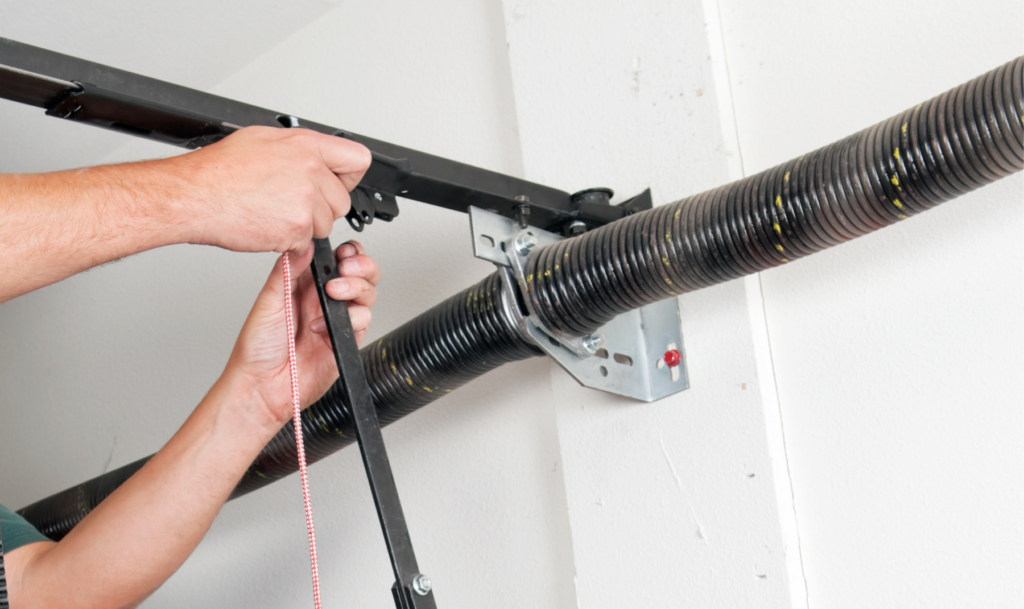
Rollers and tracks are guiding parts, but they are influenced by the lifting system. If springs or cables are creating uneven lifting, the door can shift and force the rollers to ride unevenly in the tracks.
Here is how it often connects:
- Spring support changes and door balance shifts
- The door starts lifting unevenly
- Rollers experience uneven pressure
- The door drifts toward one side of the track
- Track wear increases, and roller bearings wear faster
That is why roller and track repair appointments often include an inspection of springs and cables. If you want the full list of spring warning signs and why balance matters, read, When Do You Need Garage Door Spring Repair?.
When Track or Roller Symptoms Are Really “System” Symptoms
Some roller and track symptoms are actually system symptoms. For example, homeowners may notice:
- The opener reverses more often
- The door stops mid-travel
- The door shakes, and then the opener struggles
- The door becomes noisy and inconsistent
In many cases, the opener is reacting to resistance created by rough travel, uneven lifting, or binding. Cable issues can also contribute to tilt and unstable movement, making rollers and tracks work harder than they should.
If you notice tilt, uneven lifting, or slack near the sides along with rough travel, cable issues may be causing the problem, so read How Do You Know If You Need Garage Door Cable Repair?
What Happens During a Professional Roller or Track Repair Visit
A professional repair visit for roller or track concerns should focus on safe movement, stable alignment, and smooth travel. A strong appointment usually includes:
- System inspection: rollers, tracks, hinges, hardware, cables, and springs
- Travel evaluation: checking for rubbing, binding, wobble, and resistance points
- Alignment and stability checks: confirming tracks are secure and guiding the door correctly
- Parts match and repair plan: selecting the right roller type and addressing track condition
- Testing and verification: ensuring smooth travel, controlled closing, and consistent operation
- Final walkthrough: explaining what was found and what was corrected
This approach reduces repeat issues and helps protect the opener from ongoing strain.
The Next Step for Smooth Stable Door Movement
Roller and track problems usually start with small changes, like noise, vibration, or rubbing. When those signs are ignored, resistance can build and lead to binding, uneven travel, and unreliable access. Consumer-facing guidance on how to choose the right garage door highlights how performance, durability, and day-to-day reliability depend on the full door system, not one isolated part. The safest step is to schedule professional service when the door starts scraping, wobbling, or stopping during travel, so the door can return to stable, smooth movement and reduce strain on other parts.
Prime Garage Doors and Openers provides professional repair for rollers, tracks, and the related system parts that influence smooth travel, so we can restore safe operation and dependable access for your home. If your door is showing signs of roller or track failure and you want a full system inspection, contact us or give us a call.
Frequently asked questions
What is the first sign that rollers are wearing out?
Noise and vibration are often the earliest signs. If the door starts sounding rougher, shaking more, or feeling less smooth, we recommend an inspection before the issue escalates.
Why does my garage door scrape when it opens?
Scraping often means the door is rubbing against the track or the rollers are not gliding smoothly. We check tracks, rollers, and alignment to identify the exact cause.
Can a track issue make the door stop mid-travel?
Yes. Track damage or misalignment can create a resistance point that stops the door. We inspect the track path and confirm whether repair is needed to restore smooth travel.
Do worn rollers affect the opener?
They can. When rollers drag, the opener must work harder. Over time, that can reduce reliability and create inconsistent operation. We inspect for drag and restore smooth movement to reduce strain.
Is it safe to keep using the door if it wobbles?
Wobble is a warning sign because it can lead to binding and increased wear. We recommend scheduling service so we can inspect rollers, tracks, and door balance for safe operation.
What causes the door to bind in the same spot every time?
A repeated binding point can be caused by track dents, alignment shifts, or roller wear. We locate the resistance point and repair the system for consistent travel.
Can roller and track issues cause the door to reverse?
Yes. If the system senses resistance during closing, it can reverse. We inspect travel resistance and confirm whether rollers, tracks, or a lifting system imbalance is causing the behavior.
How do you know if the track is misaligned?
Homeowners often notice rubbing, scraping, uneven gaps, or a door that drifts to one side. We inspect track alignment and secure hardware to restore stable guiding. Safety guidance also warns that visible rubbing, shifting, or unstable travel should be addressed promptly, as continued cycles can worsen wear and instability once alignment is off.
Are roller and track problems connected to springs and cables?
They often are. If the door is unbalanced or lifting unevenly, rollers and tracks can wear faster. We inspect springs and cables when needed to confirm the full cause.
What should I expect after roller or track repair?
You should expect smoother, quieter travel, reduced vibration, and more consistent opening and closing. We verify stable alignment and smooth movement before we finish.